Scan to open on your phonegymvim.app/exercises/hiking
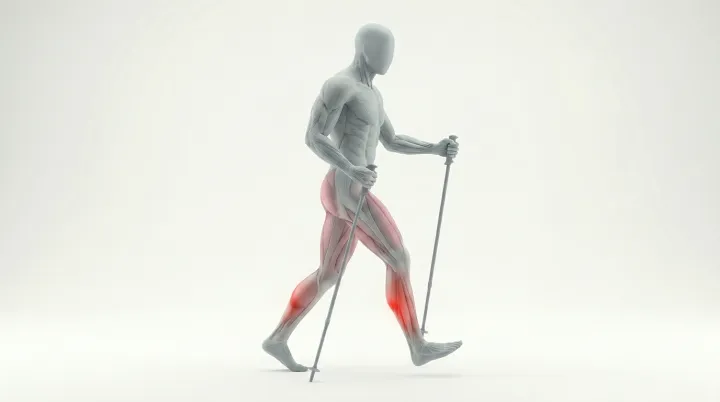 7s · no sound
How to do it
- Set your poles to a length that lets the elbows sit near ninety degrees.
- Settle into a walking rhythm you could hold for hours before adding terrain.
- Plant the opposite pole as each foot lands to share the load with the arms.
- Shorten your stride and keep the torso upright as the grade steepens.
- Control the descent with bent knees and let the poles take some of the braking.
- Ease the pace over the last stretch and stand tall to recover your breathing.
Common mistakes
- Overstriding uphill, which spikes knee load and drains the quads early.
- Locking the knees on descent, so braking force goes into the joints instead of the muscles.
- Carrying poles without using them, which wastes their load-sharing effect.
- Choosing terrain far above current conditioning, which is where most trail injuries start.
Muscles worked
- Secondary
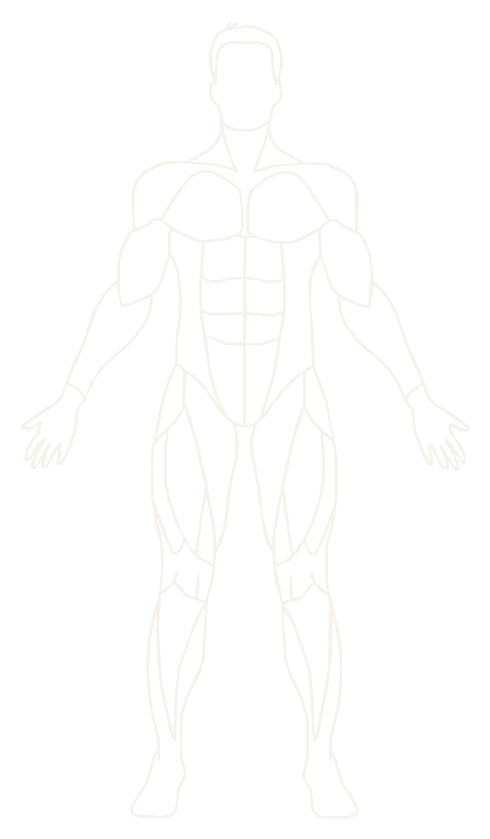
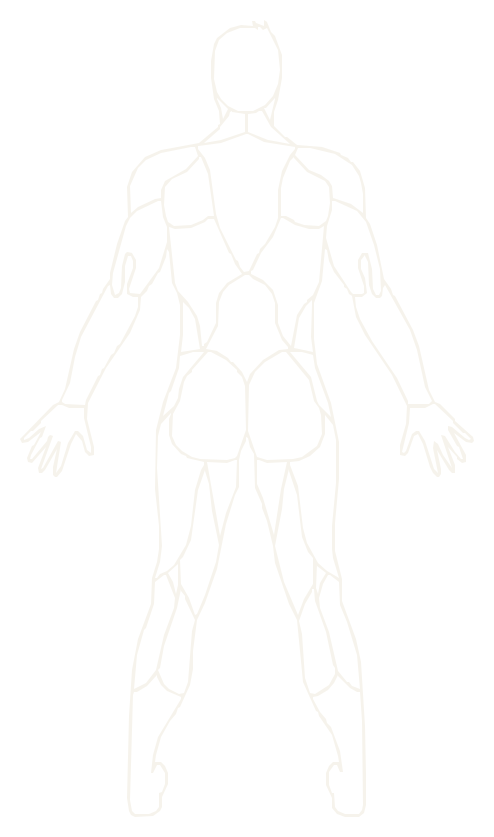
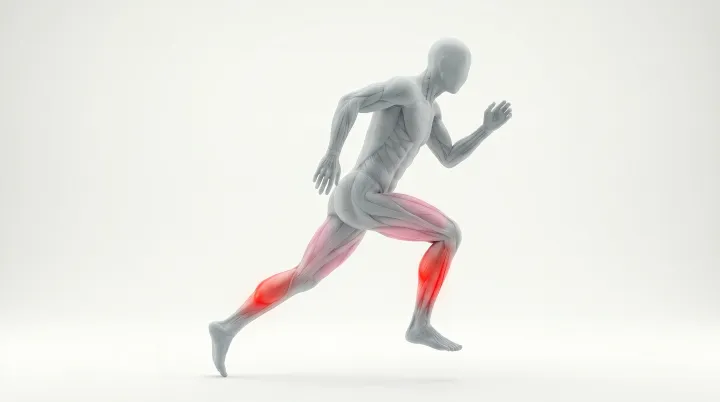
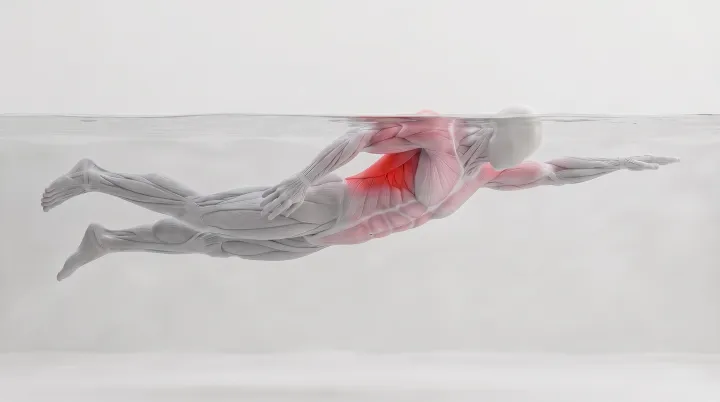
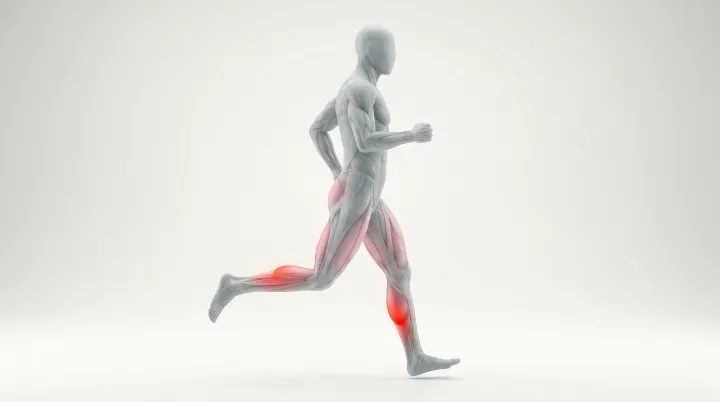
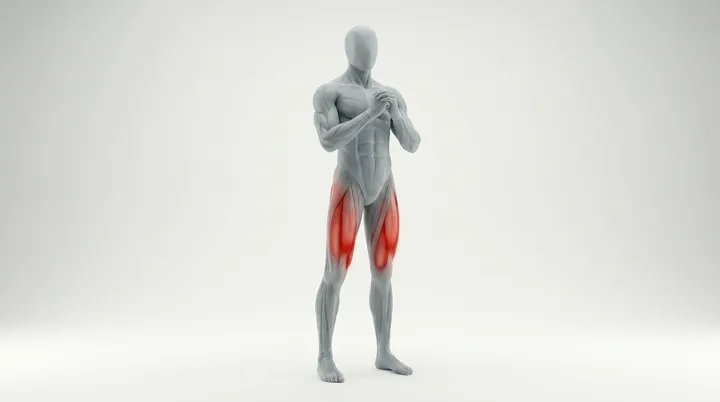
- AbsCalvesHamstringsUpper Back
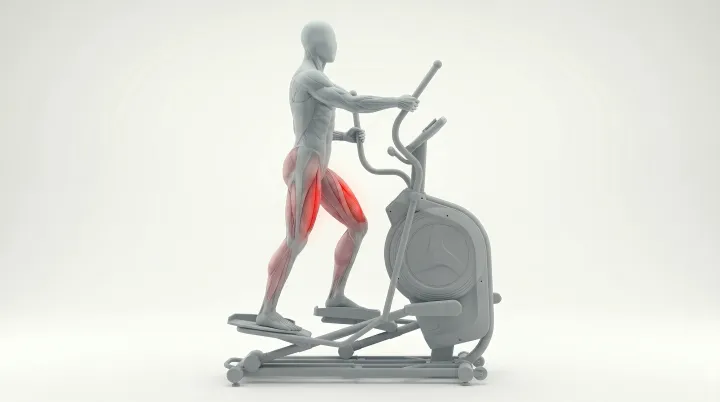
Same movement, other equipment
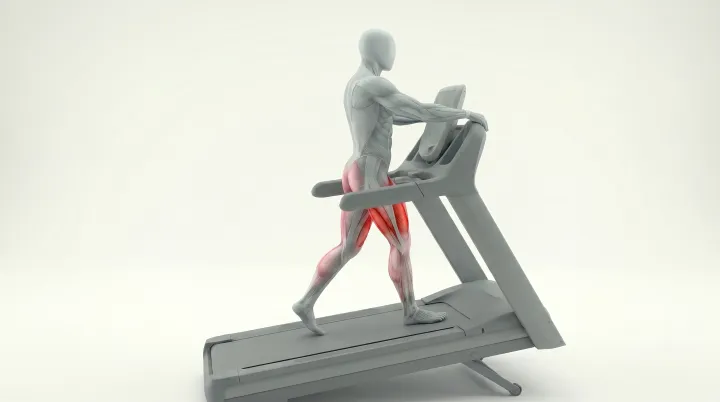
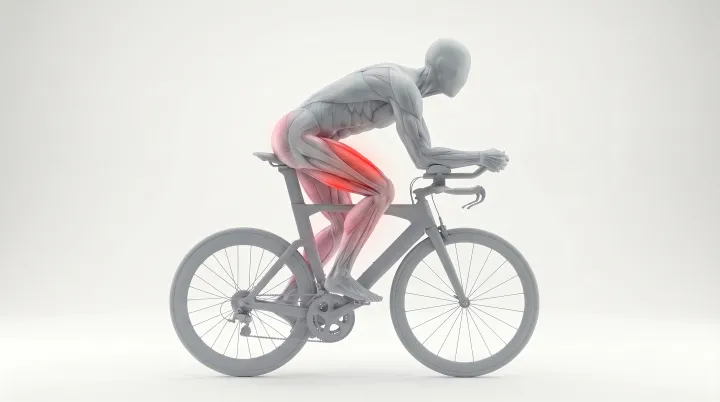
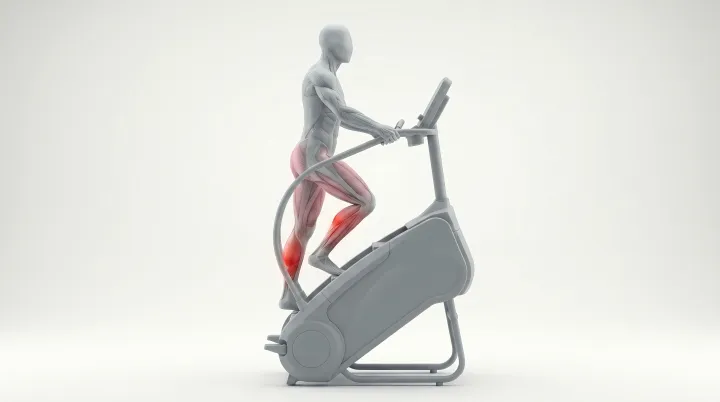
Similar exercises
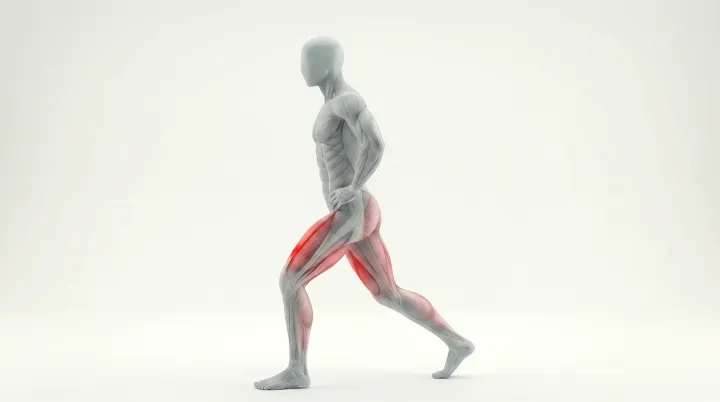
Good to know
- What muscles does the Hiking work?
- Mainly the glutes and quads. It also works the abs, calves, hamstrings and upper back.
- What equipment do you need for the Hiking?
- None. It is a bodyweight exercise.
- Is the Hiking good for beginners?
- GymVim rates it beginner.