Scan to open on your phonegymvim.app/exercises/trail-run
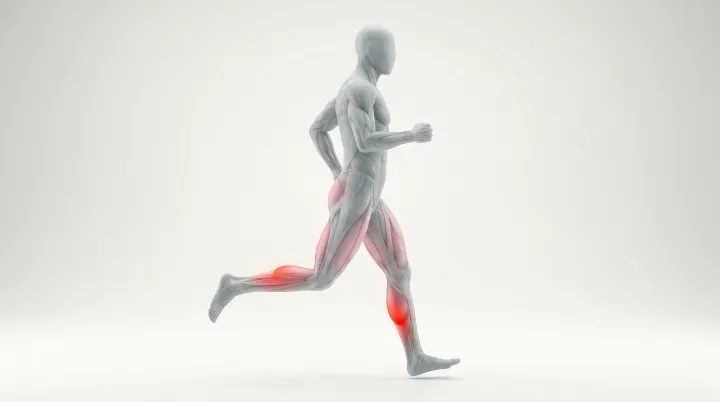 9s · no sound
How to do it
- Scan the ground a few steps ahead rather than looking directly down at your feet.
- Shorten your stride and lift cadence as the gradient steepens so each step stays controlled.
- Lean forward from the ankles on the climbs and drive the hips through on each push-off.
- Use the arms wider than usual for balance across roots, rocks and uneven footing.
- On descents, keep the feet quick and light and let the knees absorb the landing under you.
- Ease back onto an even rhythm whenever the terrain flattens out, then repeat as the trail changes.
Common mistakes
- Overstriding on descents, which increases braking force and loads the knee extensors eccentrically.
- Running downhill sections at race effort in training, which produces muscle damage that lasts for days.
- Holding flat-ground stride length uphill, which raises effort without producing more forward speed.
- Watching your feet instead of the trail ahead, which leaves no time to choose a line on uneven ground.
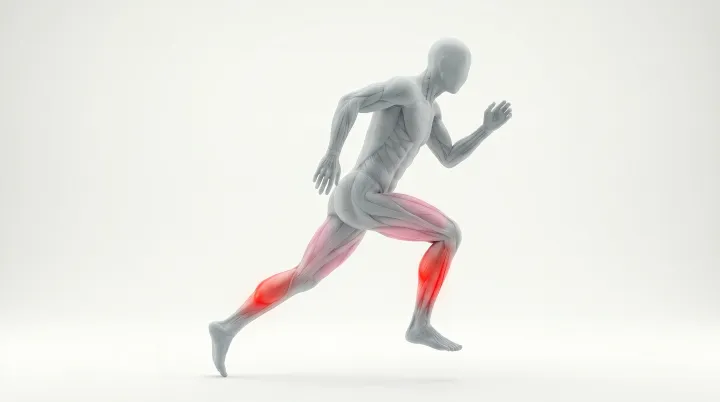
Muscles worked
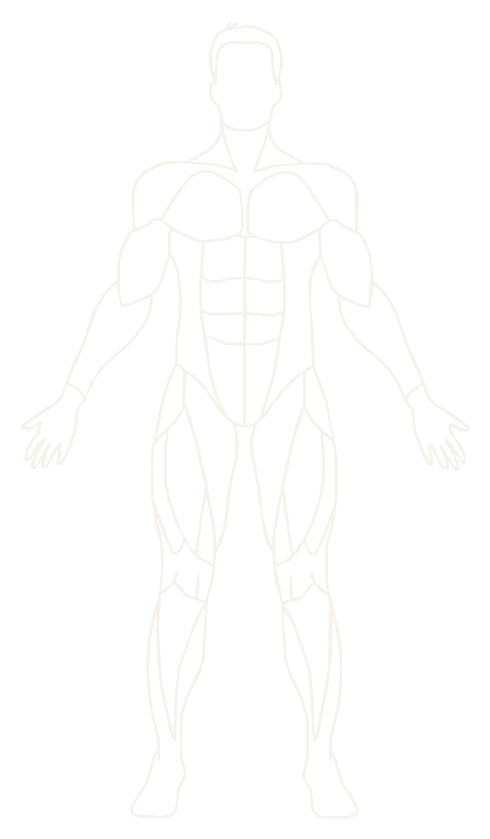
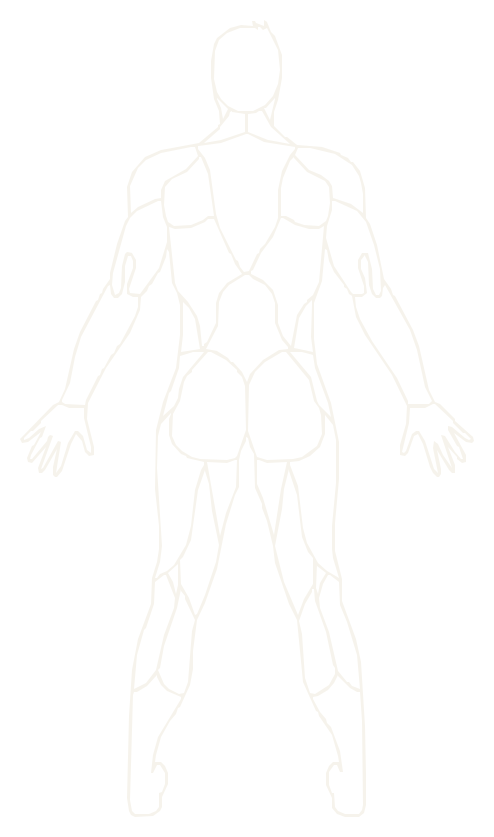
- Secondary
- AbsHamstrings
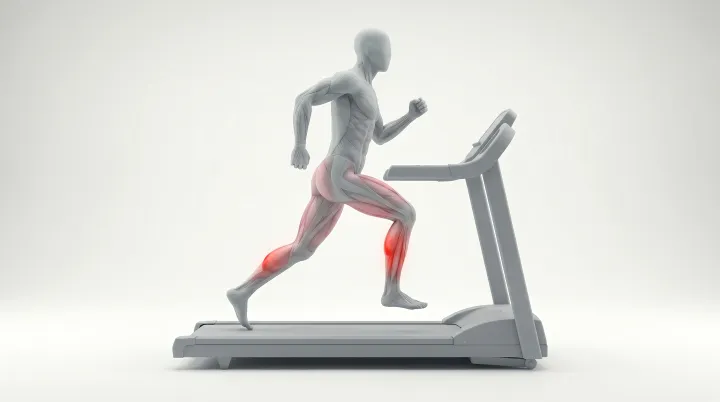
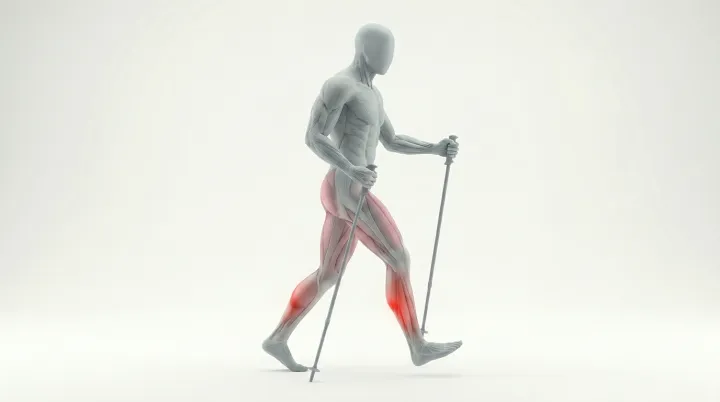
Same movement, other equipment
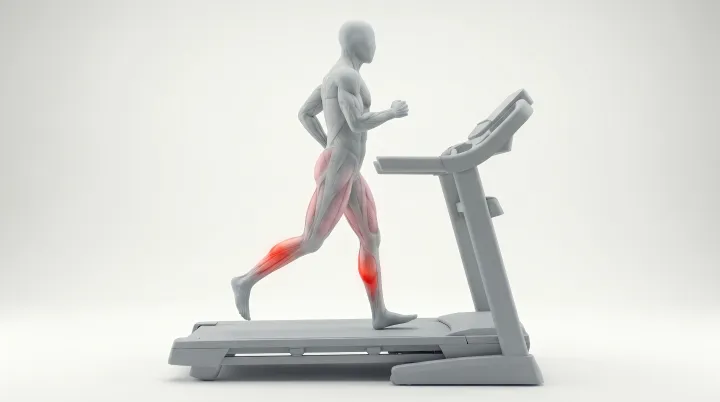
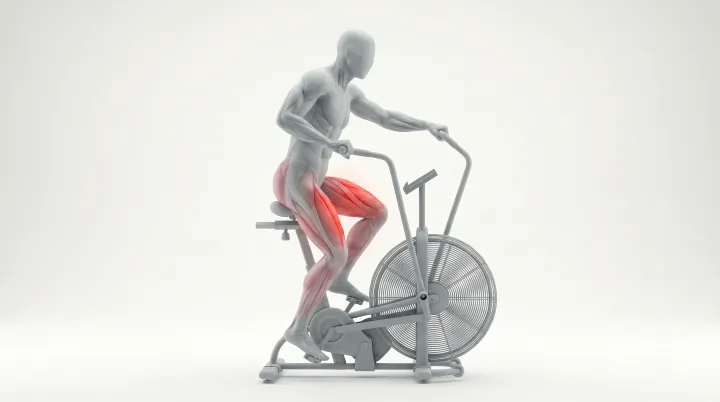
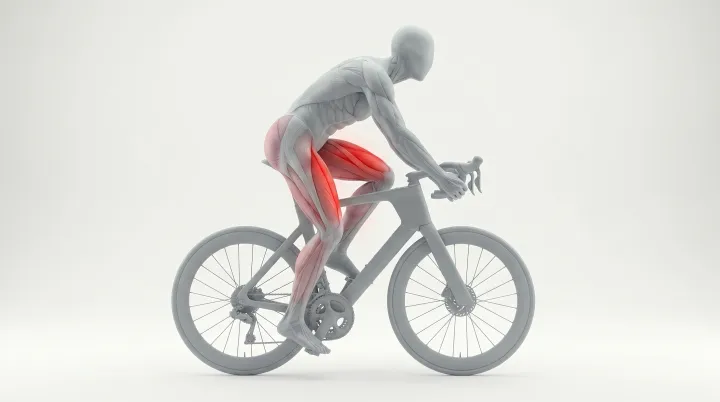
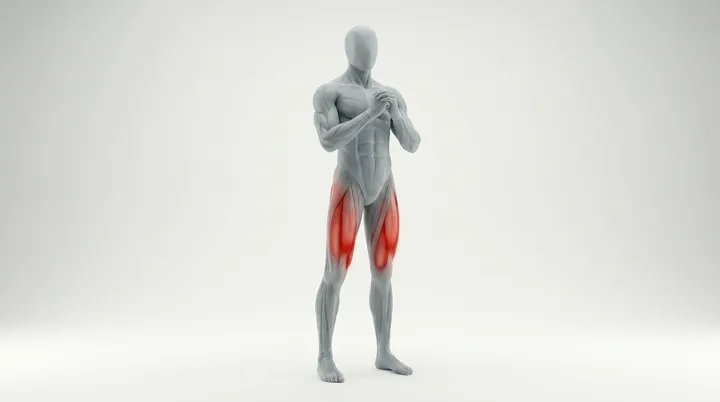
Similar exercises
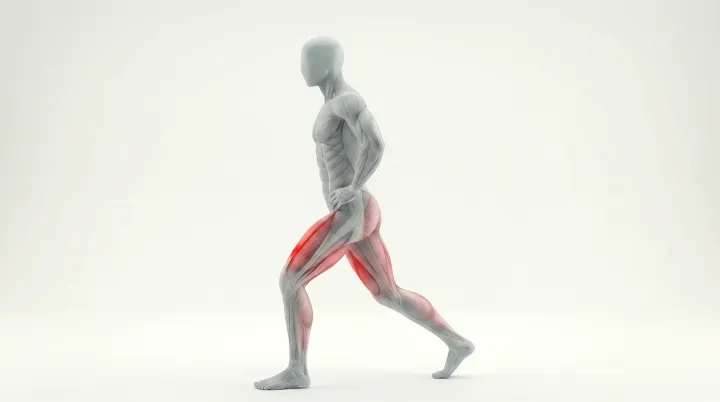

Good to know
- What muscles does the Trail Run work?
- Mainly the calves, glutes and quads. It also works the abs and hamstrings.
- What equipment do you need for the Trail Run?
- None. It is a bodyweight exercise.
- Is the Trail Run good for beginners?
- GymVim rates it advanced. For a beginner-rated exercise on the same muscle and movement, see the Arc Trainer.