Scan to open on your phonegymvim.app/exercises/reverse-grip-barbell-bench-press
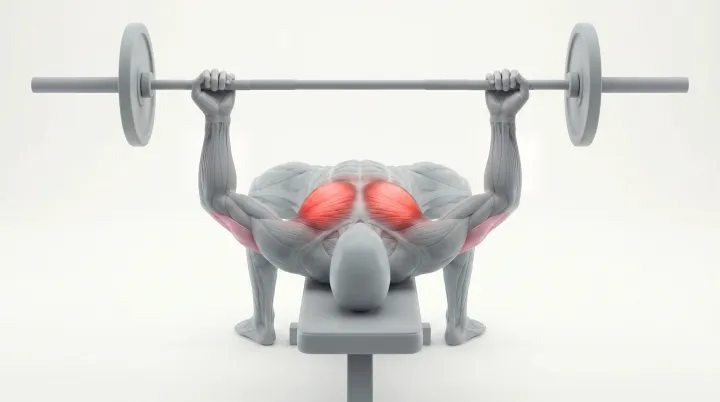 5s · no sound
How to do it
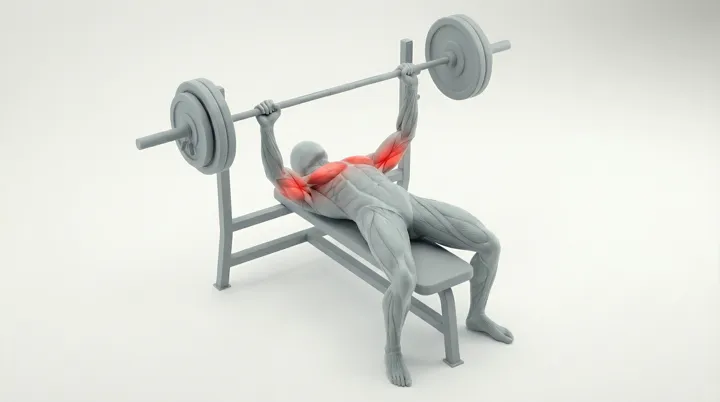
- Set the rack height on a flat bench and load the bar conservatively for your first sets.
- Lie back with your feet planted and take the bar with an underhand grip a little wider than shoulder width.
- Set your shoulder blades into the bench, then unrack the bar with a spotter's help.
- Lower the bar slowly to your mid-chest, keeping your wrists stacked over your forearms.
- Pause without letting the bar rest on your chest, then press it back up.
- Stop short of locking the elbows and keep your glutes and shoulder blades on the bench throughout.
Common mistakes
- Unracking a supinated bar without a spotter risks losing it backward before the first rep is under control.
- Letting the wrists bend back under load puts the bar behind the forearm and strains the wrist joint.
- Loading it like a standard bench press overwhelms an unfamiliar grip and forces the form to break down.
- Lifting the feet or hips off the bench to grind a rep removes the stable base the press depends on.
Muscles worked
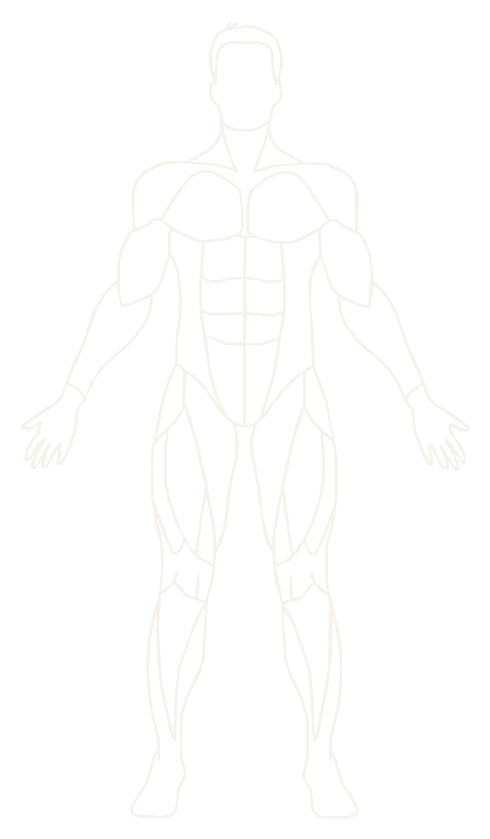
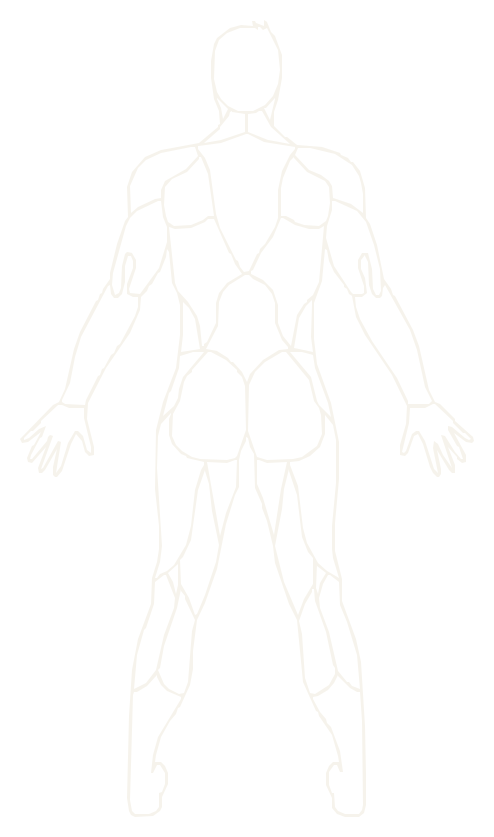
- Primary
- Chest
- Secondary
- BicepsFront DeltsTriceps
Same movement, other equipment
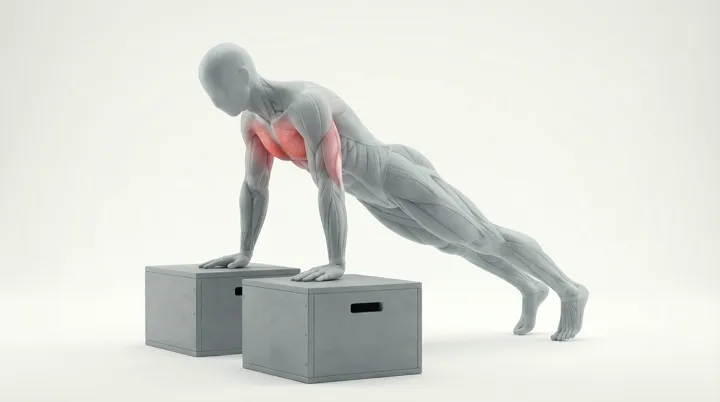
Similar exercises
Good to know
- What muscles does the Reverse-Grip Barbell Bench Press work?
- Mainly the chest. It also works the biceps, front delts and triceps.
- What equipment do you need for the Reverse-Grip Barbell Bench Press?
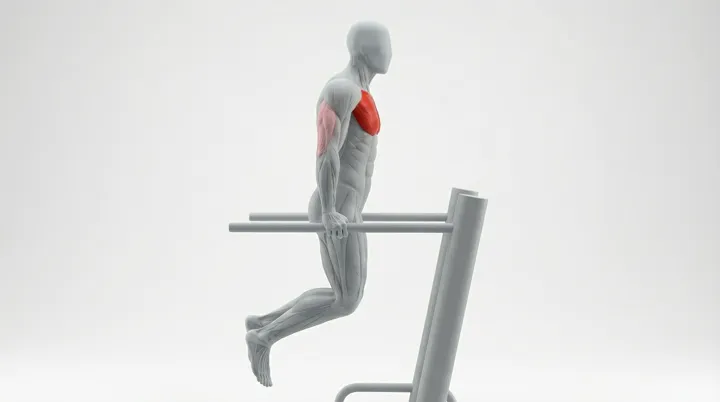
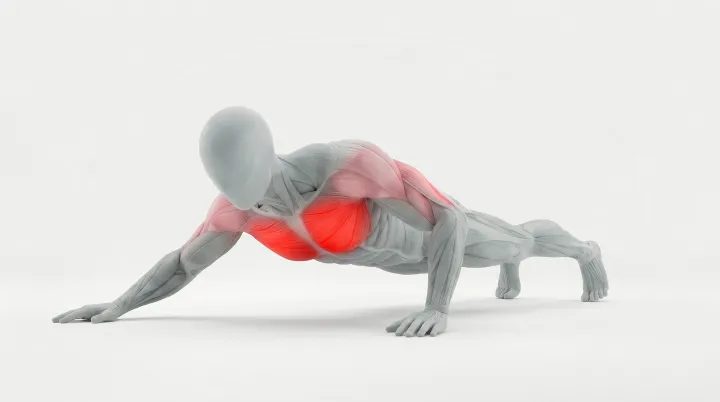
- It uses a barbell. Without it, the Bodyweight Elevated Push Up and the Parallel Bar Dips train the same muscles the same way.
- Is the Reverse-Grip Barbell Bench Press good for beginners?
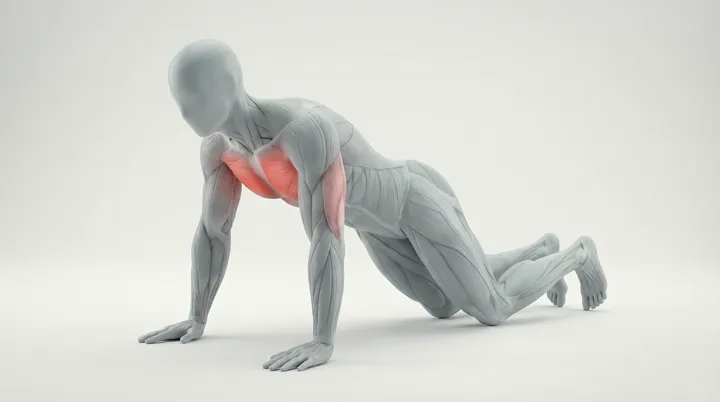
- GymVim rates it intermediate. For a beginner-rated exercise on the same muscle and movement, see the Bodyweight Knee Push Ups.